In Amsterdam, metaCCAZE serves as a field lab for innovation in inland shipping. This makes the project a valuable opportunity to test and improve Roboat’s vessel automation systems in the environment where it ultimately performs logistic operations on inland waterways.
Roboat’s mission is to make water transport more sustainable, efficient and scalable to make it a more competitive alternative to (polluting and traffic-heavy) transport over land. Roboat develops automation solutions that help vessel fleet operators in several ways. For example, they make operational data accessible to help uncover operational insights and support the transition to electrification of their fleet. The robotics company also develops assistive navigation systems that use integrated perception sensors to create a real-time accurate map of the vessel surroundings. This allows skippers to operate the vessel more safely and comfortably.
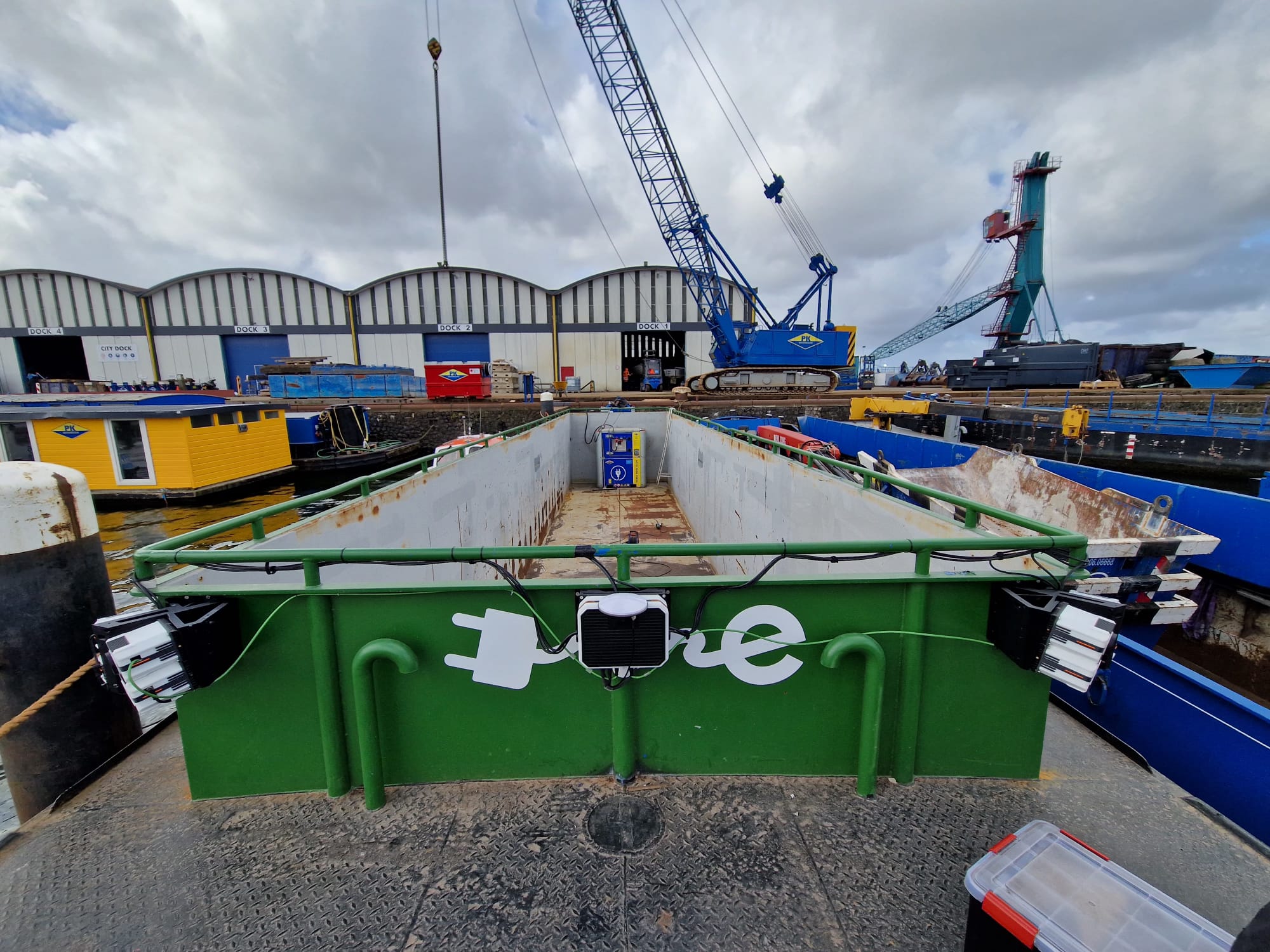
Within metaCCAZE, Roboat takes its technology even further. On a Zoev City barge, made for logistics transport over the Amsterdam canals, they are working towards supervised autonomous sailing. This means the system is also connected through a bi-directional link with the thrusters of the barge, allowing it to control and navigate the vessel. Under supervision of a skipper, the vessel will be able to sail a route autonomously.
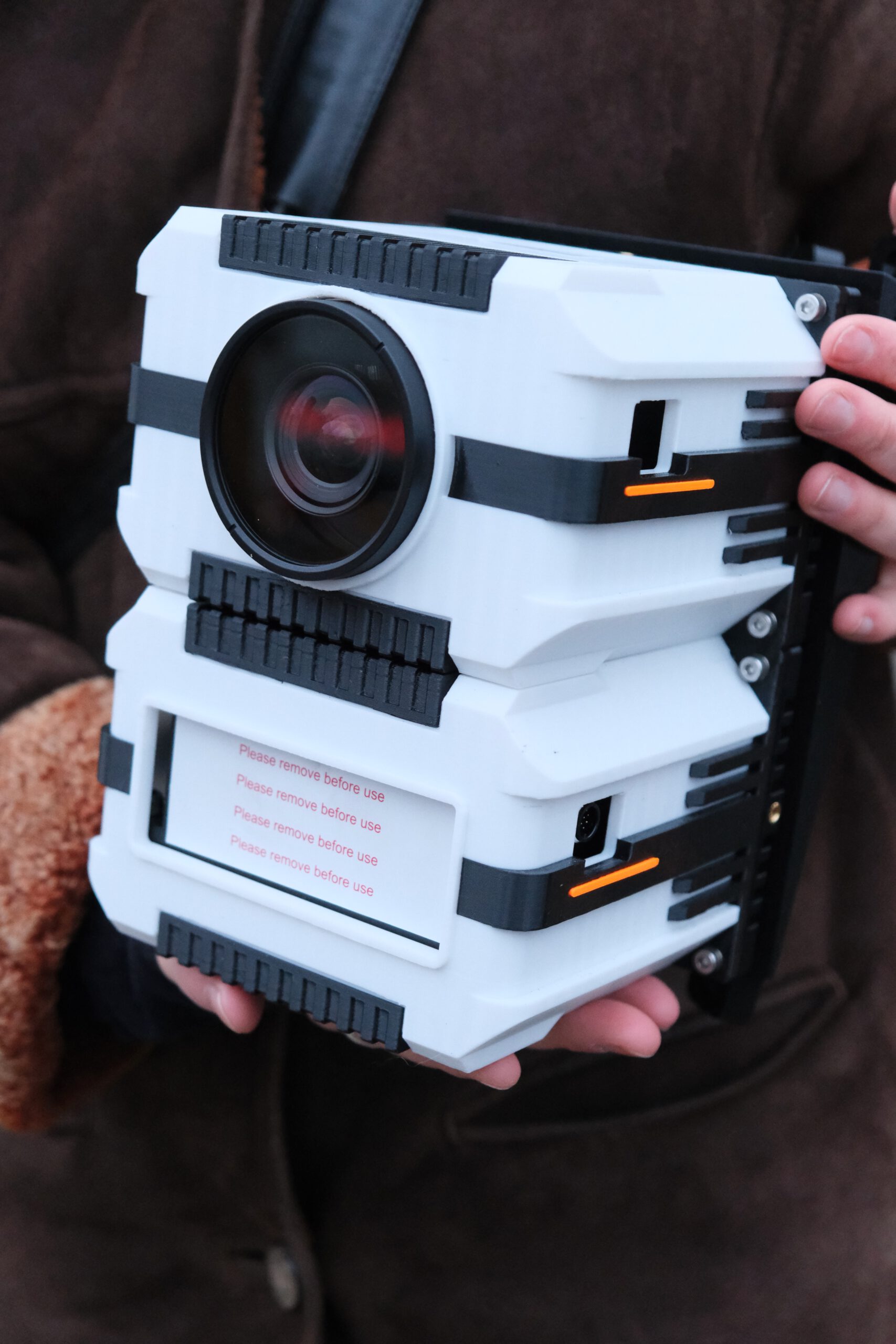
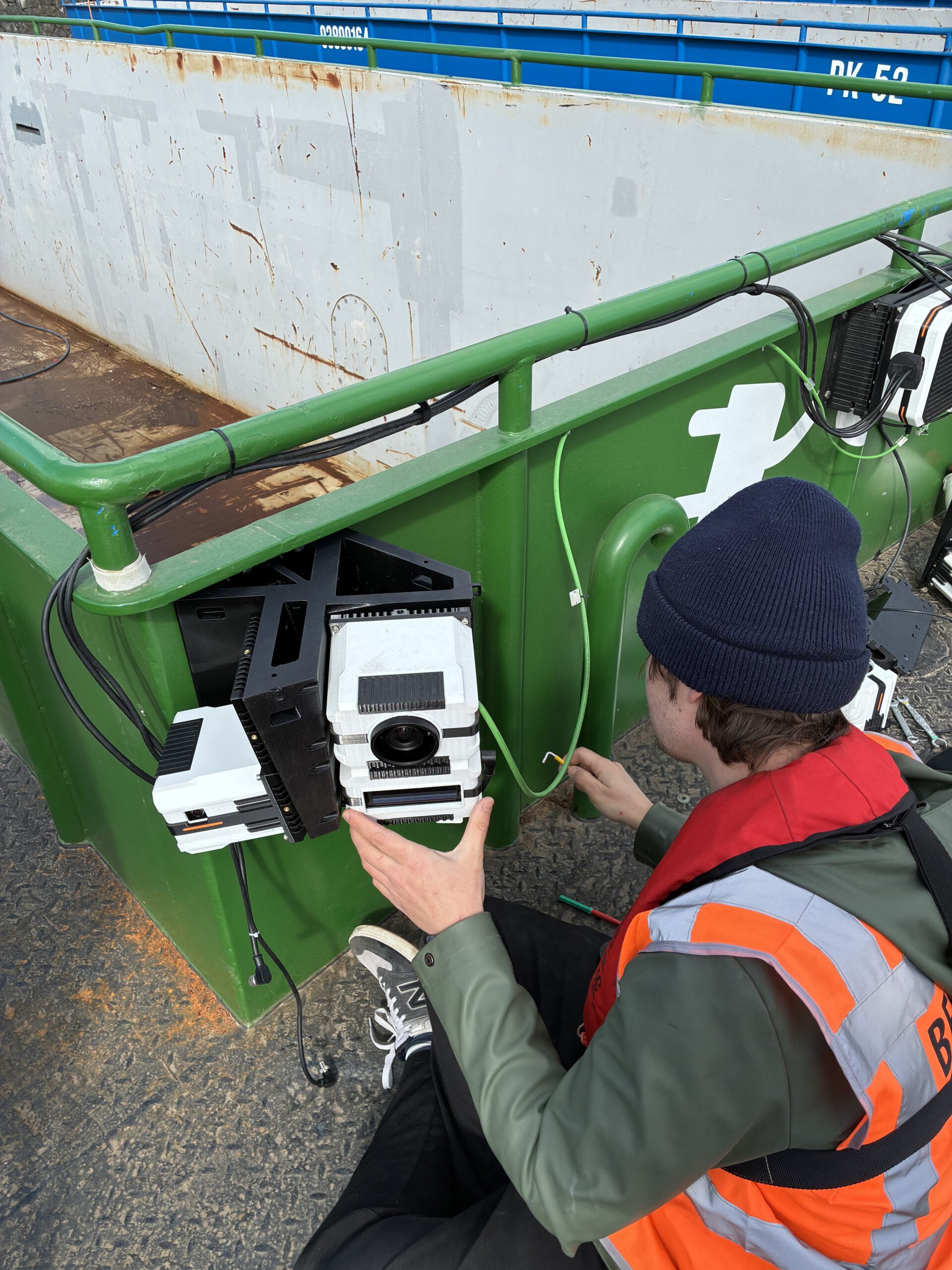
So far, significant progress has been made. A full system has been installed on the vessel, enabling 360 degree view with lidar and camera sensors. Because every vessel is different, a specific hardware system is designed that works as a retrofit solution on the barge. The customisability of the system is essential for automation solutions to become practical at scale.
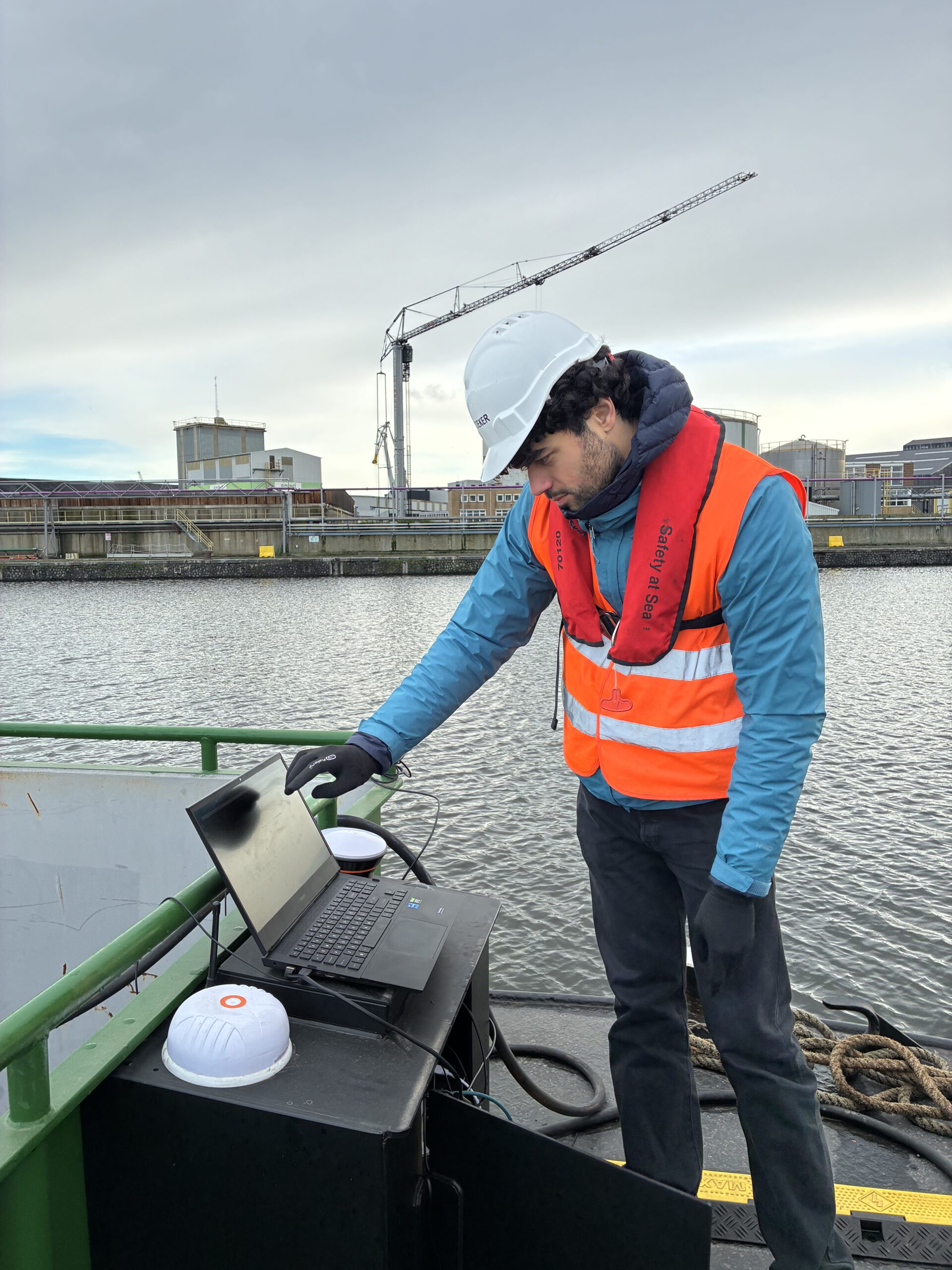
With the system, important test days have been carried out. During these testdays, Roboat finds out exactly how the vessel responds to thruster commands by defining parameters for underlying control algorithms. Recently, a successful spot-lock, or digital anchoring, test was carried out. In this test, the vessel is assigned a designated location through digital coordinates. The vessel then automatically sails to that point and stays there.
The next step? Making sure the vessel can follow a full route and use its sensor data to avoid obstacles. All of which will bring us closer to the end goal: supervised autonomous sailing on a fully battery electric barge for city logistics.