EMEL Ltd (“Eteria Metaforas Epivaton Lemesou” – Limassol Buses) was founded in 2010 in Limassol, Cyprus, following the integration of urban and rural bus operators into a district bus company. This initiative was the result of a government policy in 2009, followed by a law passed by the country’s parliament.
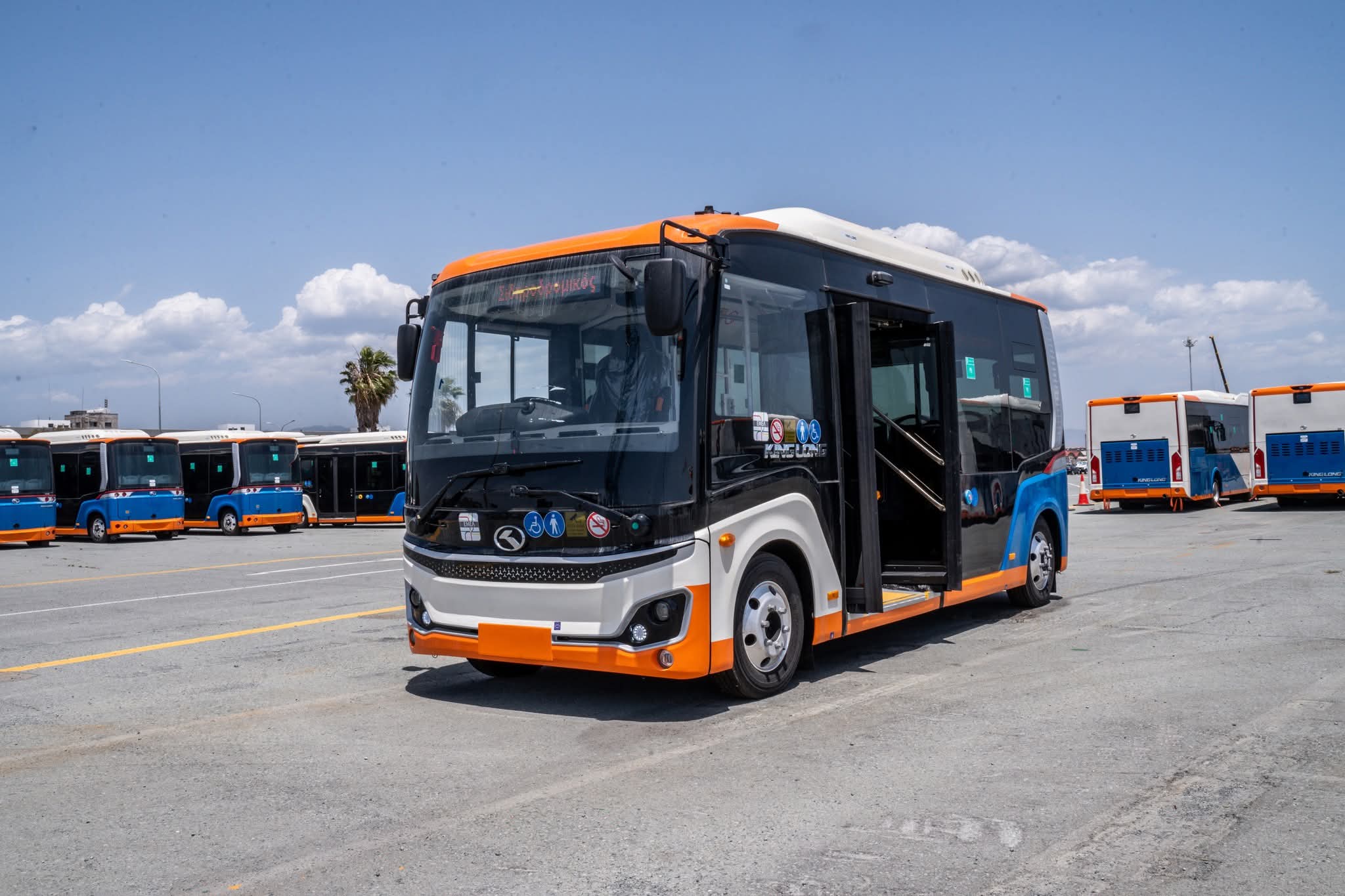
Today, EMEL stands as one of the largest and most important Public Transport Operators (PTOs) in Cyprus. Operating exclusively in the urban and rural regions of Limassol, Cyprus’ second largest city, the Company consists of a fleet of 230 buses, of which 35 are electric, while it utilises a human workforce of over 270 people, most of which are drivers. This short article aims to present some of the challenges which a Company such as EMEL faces every day, as well as methods, actions and the mindset required to navigate through them.
Operating as a PTO on an island in the Mediterranean imposes certain challenges, stemming from various elements, such as the cultural landscape, the infrastructure built around this specific culture and its needs, as well as the unique qualities of the country, such as its heavy reliance on tourism and seasonality. Indeed:
- Limassol (Cyprus in general) is a country where the vast majority of the locals’ mindset is embedded in the culture of using private vehicles for their daily transfers. This leaves the PTO reliant on tourist inflows to a certain extent, thus exposed to seasonality. Actions have been taken to improve the situation, especially in the post-pandemic era, enforced by an increase in demand for bus usage by younger generations of locals (school and university students). These trends are reflected in the numbers and performance of the Company in recent years. Live route calculations and information shared via Google Transit, the installation of scheduling screens at bus stops, as well as subsidies by the government that help reduce ticketing costs for certain population groups, have contributed towards increased demand trends.
- The infrastructure itself is built around this mindset of private car transport. For example, to this day, the absence of bus lanes in cities such as Limassol creates an issue which the PTO must tackle. The matter is set to be addressed in the near future, as the public authorities have signaled the green light for the initiation process towards the implementation of necessary planning and execution of roadworks to that effect (in certain congested areas and main roads).
- Furthermore, the introduction of transportation hubs in certain critical areas of the city within the next couple of years will allow for better scheduling of routes, the exploitation of new potential routes, higher frequencies and a better experience and service to customers overall.
Last but not least, the metaCCAZE Project has brought a new, fresh addition to the city’s transport landscape, that of on-demand transport via the “WeeDrive” initiative. Together with all the above works in progress, we believe that these developments will help the Company and the city enter a new era. Through initiatives such as metaCCAZE, the aim of the Company to transition steadily and sustainably towards the implementation of a service with lower emissions, without compromising flexibility and quality of service, is now becoming a possible scenario. At the same time, the vision of the Company always remains that of adaptability and modernisation, with the primary objective being to establish its service as a solid first-hand option for the transport needs of all the citizens of the city.
Author: Leontios Charalambides (EMEL)