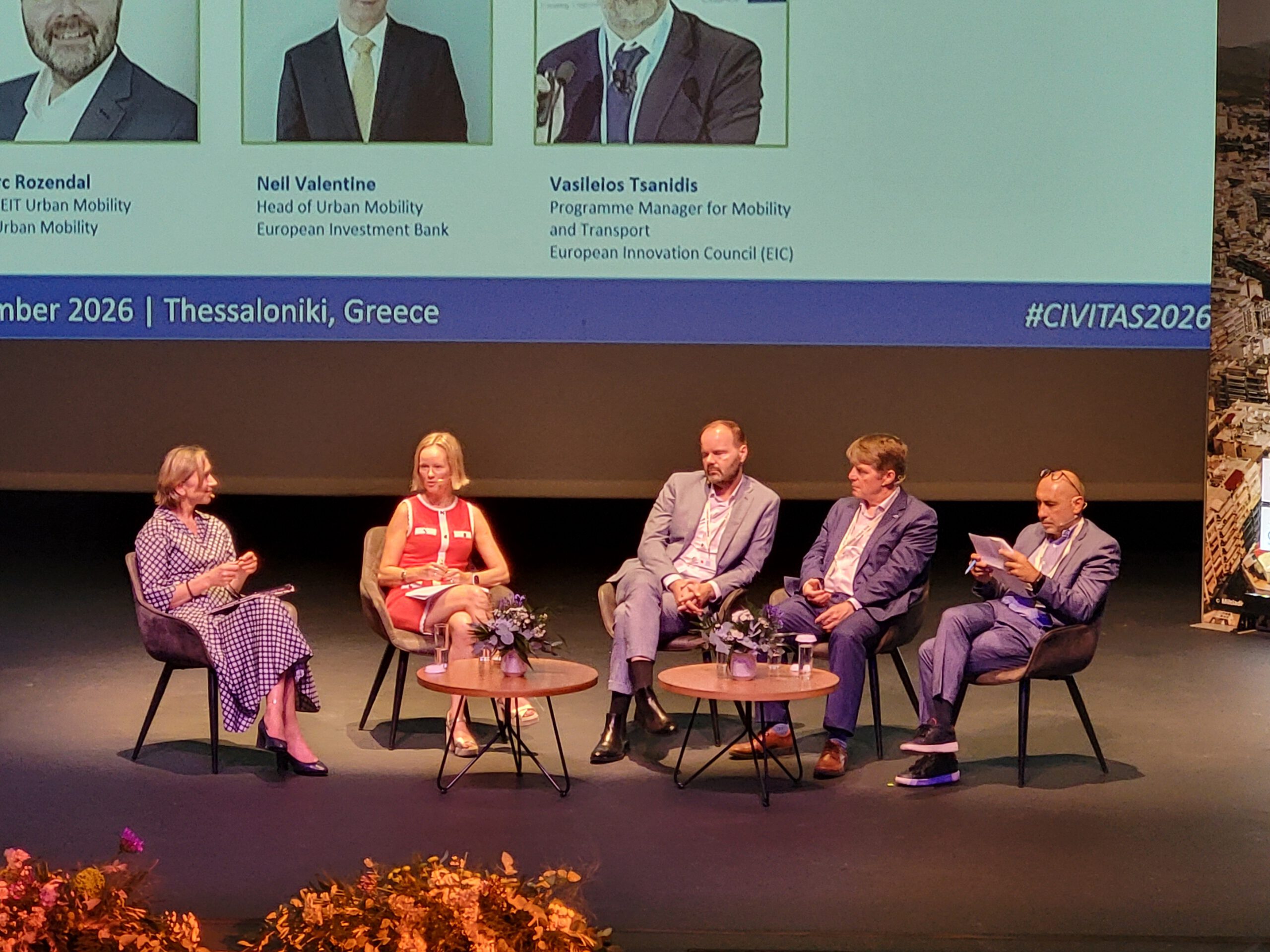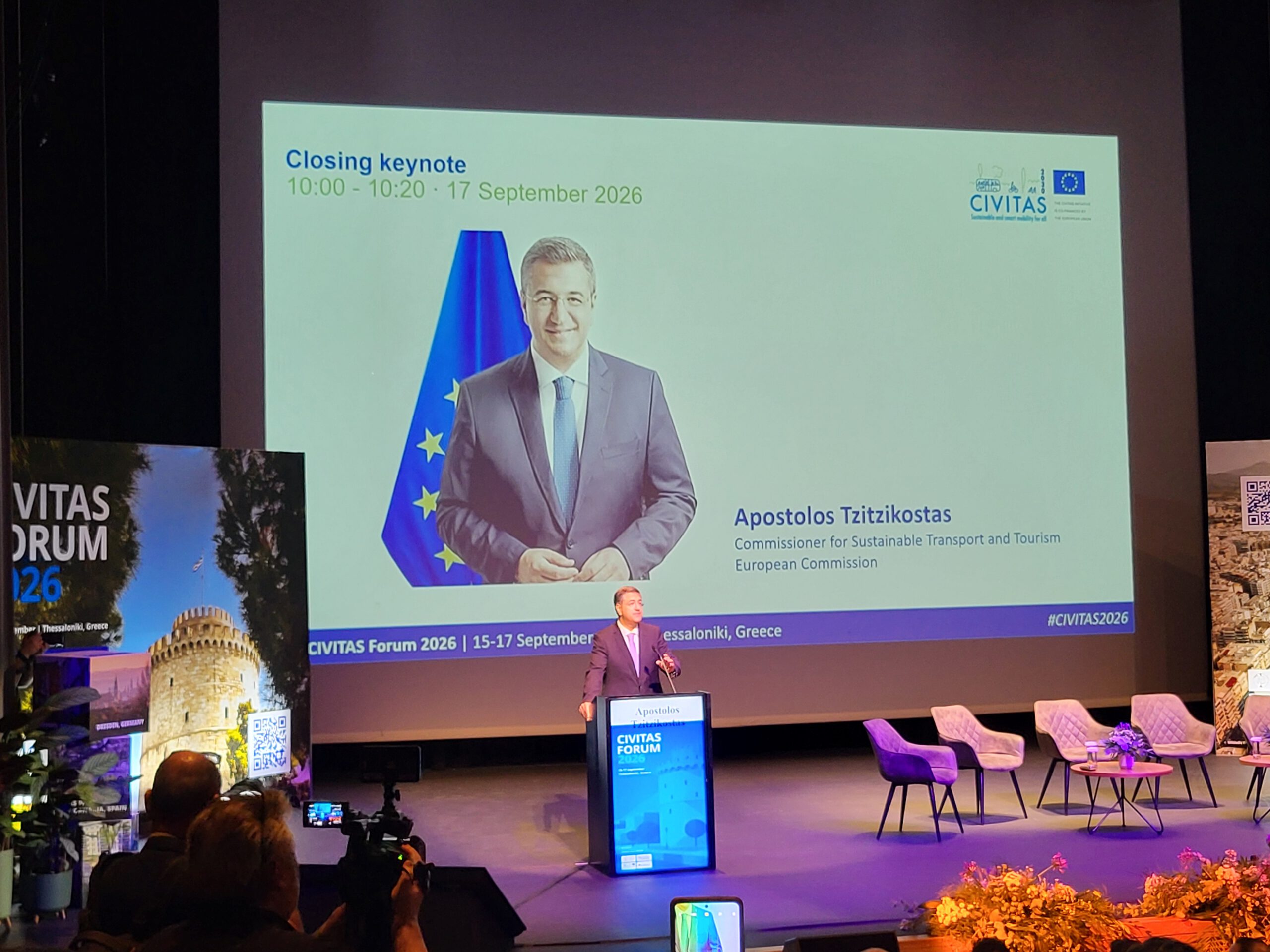
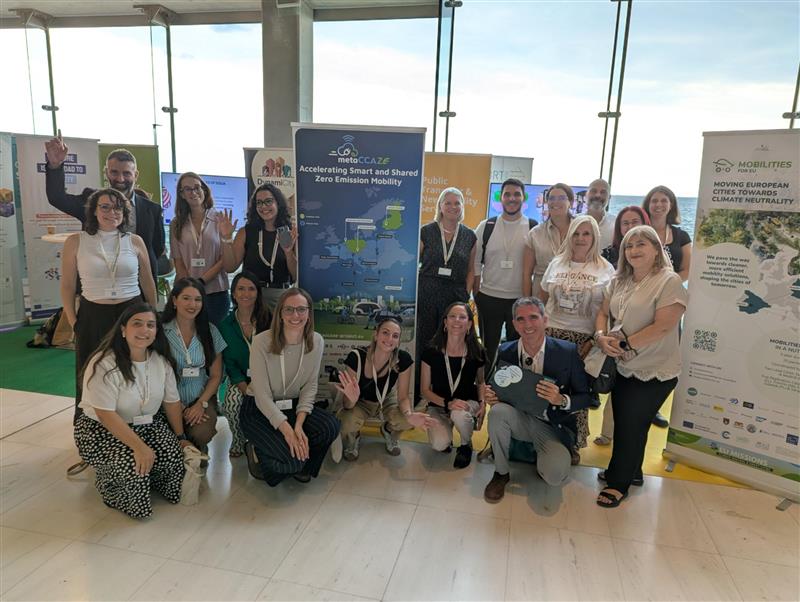
From 15 to 17 September, the CIVITAS Forum 2026 brought cities, policymakers, researchers and mobility professionals together in Thessaloniki to discuss how urban mobility innovation can create lasting impact. metaCCAZE partners contributed to sessions on urban freight, climate-neutral mobility, and inclusive and accessible public transport. Their presentations highlighted three factors that are essential for turning innovative mobility solutions into lasting services: high-quality data, effective cooperation and continuous user engagement.
Using data to improve urban freight
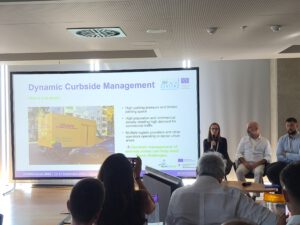
In the session Urban Freight Data Connectivity and System Operations: From Data Sharing to Measurable Outcomes, Dr Annika Paul from the City of Munich presented how better use of loading and unloading zone data can support more efficient and sustainable city logistics.
“We can make better use of urban space by leveraging data on loading and unloading zones, providing respective information to relevant stakeholders and engaging with the needs and requirements of users along the way. Ensuring data quality and accessibility, interoperability of systems as well as making information publicly available is key to a solution’s success.”
Her contribution underlined that collecting data alone is not enough. Its quality, accessibility and interoperability determine whether it can produce practical benefits for cities and their stakeholders.
Building the organisational foundations for change
Breogan Sanchez from BABLE Smart Cities contributed to The Thessaloniki Challenge: Thessaloniki vs Europe on the road to climate-neutral mobility. The session examined implementation under real urban constraints and transferable measures related to street reallocation, climate governance and mobility data.
“In many cases, the real difficulty when implementing a zero-emission mobility solution is not the technical one, but the organisational one. The success of its implementation and continuation over time relies on good communication where done means agreed, and agreed means understood.”
His message highlighted the importance of creating shared understanding among the organisations involved, both during implementation and for the long-term continuation of mobility services.
Keeping users at the centre
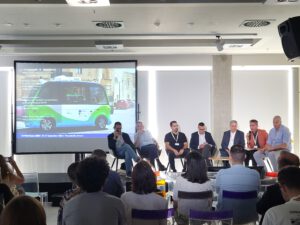
In the session Inclusive & Accessible Public Transport for All, Anne Patricio from MaaSLab shared experience from WeeDRIVE, the on-demand school transport service developed in Limassol within metaCCAZE.
“Co-design is not a one-off exercise. Continuous dialogue and feedback from users, combined with operational data, allow the WeeDRIVE service to evolve around real needs and build trust over time.”
Her contribution showed how ongoing dialogue and operational evidence can help a mobility service respond to users’ changing needs while building trust.
Moving beyond successful pilots
Across the three sessions, a common message emerged: lasting urban mobility transformation requires more than technical innovation. Solutions must respond to real needs, use reliable and accessible data, and be supported by strong cooperation between users, cities and mobility stakeholders.
Through participation in the CIVITAS Forum, metaCCAZE shared practical lessons from its Living Labs while learning from cities and projects working towards the same goal: cleaner, smarter and more inclusive urban mobility.